ADHD Symptom Tracker Workbook: A Practical Tool for Self-Awareness and Symptom Management
For individuals managing ADHD, understanding symptoms and their patterns is a crucial step toward better self-regulation and daily functioning. The ADHD Symptom Tracker Workbook offers a structured yet flexible approach to this process. Designed with both adults and teens in mind, this printable resource provides a comprehensive framework for tracking behaviors, emotions, and cognitive functions without overwhelming the user. Whether used independently or alongside therapy, it serves as a valuable tool for building awareness and fostering intentional habits.
Understanding the Purpose of the ADHD Symptom Tracker Workbook
The ADHD Symptom Tracker Workbook is not just another journal—it’s a carefully curated set of pages aimed at helping users identify recurring challenges and opportunities for growth. It focuses on key areas such as focus, energy levels, emotional regulation, executive function, and impulsivity. Each section is designed to encourage reflection while minimizing distractions, making it an ideal choice for those who find traditional journals or apps too cluttered or complex.
This workbook is particularly useful for individuals who want to take a more proactive role in managing their ADHD symptoms. It allows users to observe how different factors—like sleep, diet, stress, or environment—affect their daily experiences. This kind of insight can be especially helpful when working with healthcare professionals or coaches to develop personalized strategies.
What Makes This Workbook Stand Out?
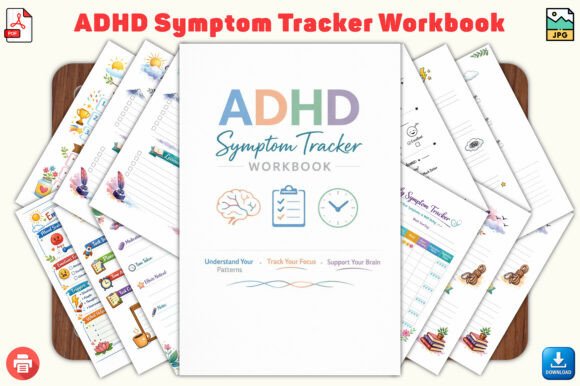
One of the most notable features of the ADHD Symptom Tracker Workbook is its thoughtful design. With clean layouts, soft icons, and ample white space, it avoids visual overload that often comes with other ADHD resources. This makes it easier for users to engage with the material without feeling overwhelmed.
The workbook includes 34 pages, each serving a specific purpose. These range from daily check-ins on focus and energy levels to weekly reflections on patterns and progress. There are also dedicated sections for journaling, noting observations, and exploring executive function challenges. The inclusion of gentle prompts and non-clinical language ensures that the content remains accessible and supportive throughout the tracking process.
Another advantage of this workbook is its flexibility. Users can choose to complete all the pages or select only those that align with their current goals. For example, someone focused on improving time management might prioritize the executive function pages, while another person may benefit more from the emotional regulation check-ins.
Who Benefits Most from This Resource?
The ADHD Symptom Tracker Workbook is suitable for a wide range of individuals, including adults and teens who are navigating ADHD symptoms. It can be especially beneficial for those who are new to symptom tracking or looking for a more tangible way to monitor their progress compared to digital apps.
Professionals, entrepreneurs, and creatives who rely heavily on focus and organization may find this workbook particularly useful. It can help them recognize when their attention wanes or when they need to adjust their routines to stay productive. Similarly, educators or small business owners who juggle multiple responsibilities may appreciate the structure it provides for staying on top of tasks and emotional well-being.
Additionally, the workbook can serve as a complementary tool for those undergoing therapy or coaching. By providing a consistent format for tracking symptoms, it can help facilitate discussions with mental health professionals and ensure that progress is measurable over time.
Evaluating Usability and Long-Term Value
When evaluating the usability of the ADHD Symptom Tracker Workbook, it's important to consider how well it integrates into a daily routine. Unlike some digital tools that require constant engagement, this workbook encourages a more reflective and intentional approach. Users can complete pages at their own pace, which makes it adaptable to various lifestyles and schedules.
However, like any self-help resource, the effectiveness of the workbook depends largely on the user’s commitment to using it regularly. Without consistent tracking, the insights gained may be limited. That said, the workbook’s simplicity and clarity make it easier to maintain a routine compared to more complicated systems.
In terms of long-term value, the workbook can be a useful reference point for identifying trends over time. For instance, users might notice that certain days of the week or specific activities consistently lead to higher levels of distraction or lower mood. This kind of information can inform future planning and support more effective coping strategies.
Practical Tips for Getting the Most Out of the Workbook
To maximize the benefits of the ADHD Symptom Tracker Workbook, consider setting aside a specific time each day for tracking. This could be in the morning before starting work or in the evening as part of a wind-down routine. Consistency is key to identifying meaningful patterns.
It’s also helpful to review completed pages periodically—perhaps once a week—to reflect on what has been learned. This can provide a broader perspective and help users adjust their tracking methods as needed. Additionally, pairing the workbook with other tools, such as a planner or calendar, can enhance its usefulness by creating a more integrated system for managing ADHD-related challenges.
Finally, don’t hesitate to customize the workbook to suit individual needs. While the provided pages offer a solid foundation, adding personal notes or adapting prompts to fit specific situations can make the experience even more relevant and impactful.
The ADHD Symptom Tracker Workbook is a practical, well-designed resource that supports individuals in understanding and managing their ADHD symptoms. Its clear structure, minimal design, and focus on self-awareness make it a valuable addition to any ADHD management toolkit. Whether used for personal reflection, therapy support, or daily self-care, it offers a calm, structured approach to symptom tracking that can lead to meaningful insights and improved well-being over time.