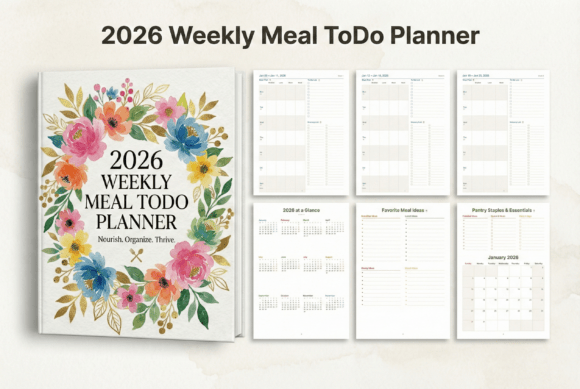
🍓2026 Weekly Meal ToDo Planner🍓
The 🍓2026 Weekly Meal ToDo Planner🍓 is more than just a digital tool—it's a strategic asset for anyone looking to streamline their meal planning process, reduce stress, and make better decisions about food, time, and budget. Designed with practicality in mind, this planner offers a comprehensive approach to weekly meal planning that supports long-term habits, productivity, and overall well-being.
Whether you're a busy professional, a parent managing multiple households, or someone who values consistency in their routine, the planner provides the structure needed to turn meal planning from a chore into a manageable, even enjoyable task. Its thick digital PDF format ensures that every detail is covered, making it an essential resource for those who want to stay organized without sacrificing creativity or flexibility.
Strategic Use of the Planner
Using the 🍓2026 Weekly Meal ToDo Planner🍓 strategically means aligning your meal planning efforts with broader life goals. For instance, if you're aiming to improve your health, save money on groceries, or spend less time cooking, this planner can be tailored to support those objectives. It allows you to set specific goals for each week, such as reducing food waste, trying new recipes, or preparing meals in advance.
By incorporating grocery lists, budget trackers, and pantry staples pages, the planner helps you make informed decisions about what to buy, how much to spend, and when to restock. This level of detail is especially useful for individuals or families who are conscious about their spending and want to ensure they’re getting the most out of their meals without overspending.
Moreover, the planner includes recipe notes, reviews, and reflections—features that encourage continuous learning and improvement. These sections allow users to document what worked, what didn’t, and how to adjust future plans accordingly. This reflective practice is key to developing a sustainable meal planning strategy over time.
When and How to Use the Planner
The planner is best used at the beginning of each week, ideally on Sunday evening or early Monday morning. This timing allows you to review your upcoming schedule, consider any social events or commitments, and plan meals that fit both your calendar and your nutritional needs.
To get the most out of the planner, start by setting clear weekly goals. For example, you might aim to cook three meals from scratch, use up leftovers from the previous week, or try one new recipe. Writing these goals down in the planner’s notes section helps keep you focused and accountable throughout the week.
Another effective approach is to break down the planning process into smaller steps. Begin with breakfast, then move on to lunch, dinner, and snacks. This method prevents overwhelm and ensures that all aspects of your daily meals are considered. Additionally, using the grocery list feature to cross-reference items with your pantry staples page can help avoid buying duplicates and reduce waste.
For those who enjoy meal prepping, the planner includes extra pages for holiday planning, freezer meals, and special occasions. These features are particularly useful for people who want to prepare meals in advance and store them for later use, ensuring that they always have something ready to eat without last-minute stress.
Considerations Before Relying on the Planner
While the 🍓2026 Weekly Meal ToDo Planner🍓 is a powerful tool, it’s important to use it with intention. Simply filling out the planner without considering your actual needs or lifestyle may lead to frustration or ineffective planning. Before relying on it fully, take some time to reflect on your current habits, challenges, and priorities related to meal planning.
Ask yourself: What are my biggest pain points when it comes to meal planning? Do I struggle with grocery shopping, sticking to a budget, or finding time to cook? Understanding these factors will help you tailor the planner to your unique situation and maximize its benefits.
Additionally, it’s crucial to remain flexible. While the planner provides structure, it shouldn’t feel rigid or restrictive. If unexpected changes occur during the week—such as a last-minute event or a change in schedule—adjust your meal plan accordingly. The planner should serve as a guide, not a rulebook.
Practical Examples and Planning Tips
Let’s say you’re planning your meals for the first week of January. You might start by reviewing your calendar and noting any meetings, appointments, or social engagements. Based on that, you could decide to prepare simple, quick meals on days when you’re busy and more elaborate dishes on weekends when you have more free time.
You might also use the monthly grocery budget tracker to allocate funds for fresh produce, proteins, and pantry staples. By tracking your expenses, you can identify areas where you might be overspending and adjust your shopping habits accordingly.
Another tip is to use the recipe notes section to jot down ideas for future meals. For example, if you try a new recipe and it’s a hit, note it down so you can refer back to it next time. Conversely, if a recipe doesn’t work well, mark it as a “skip” to avoid repeating the same mistake.
Finally, don’t forget to take advantage of the planner’s extra pages for holidays, parties, and freezer meals. These sections can help you prepare in advance for special occasions and ensure that you always have backup meals available when needed.
Risks of Using Without Clear Goals
One of the main risks of using the planner without clear goals is that it may become a passive exercise rather than an active strategy for improvement. If you simply fill out the planner without thinking about your larger objectives, you may end up with a plan that doesn’t align with your actual needs or lifestyle.
Another risk is that you might rely too heavily on the planner without allowing for spontaneity or personal preferences. While structure is beneficial, it’s important to leave room for flexibility and adaptability. The planner should enhance your meal planning experience, not limit it.
To avoid these risks, set clear intentions before using the planner. Define what success looks like for you—whether it’s saving money, improving nutrition, or reducing meal prep time—and use the planner as a tool to achieve those goals.
Conclusion
The 🍓2026 Weekly Meal ToDo Planner🍓 is a versatile, practical tool that can transform the way you approach meal planning. By using it strategically, you can create a personalized system that supports your goals, reduces stress, and improves your overall quality of life. Whether you’re looking to save money, eat healthier, or simply enjoy more time in the kitchen, this planner offers the structure and flexibility you need to succeed.
Remember, the key to getting the most out of the planner is to use it intentionally. Set clear goals, stay flexible, and take advantage of all the features it has to offer. With consistent use and thoughtful planning, the 🍓2026 Weekly Meal ToDo Planner🍓 can become your go-to resource for achieving better results in your kitchen and beyond.